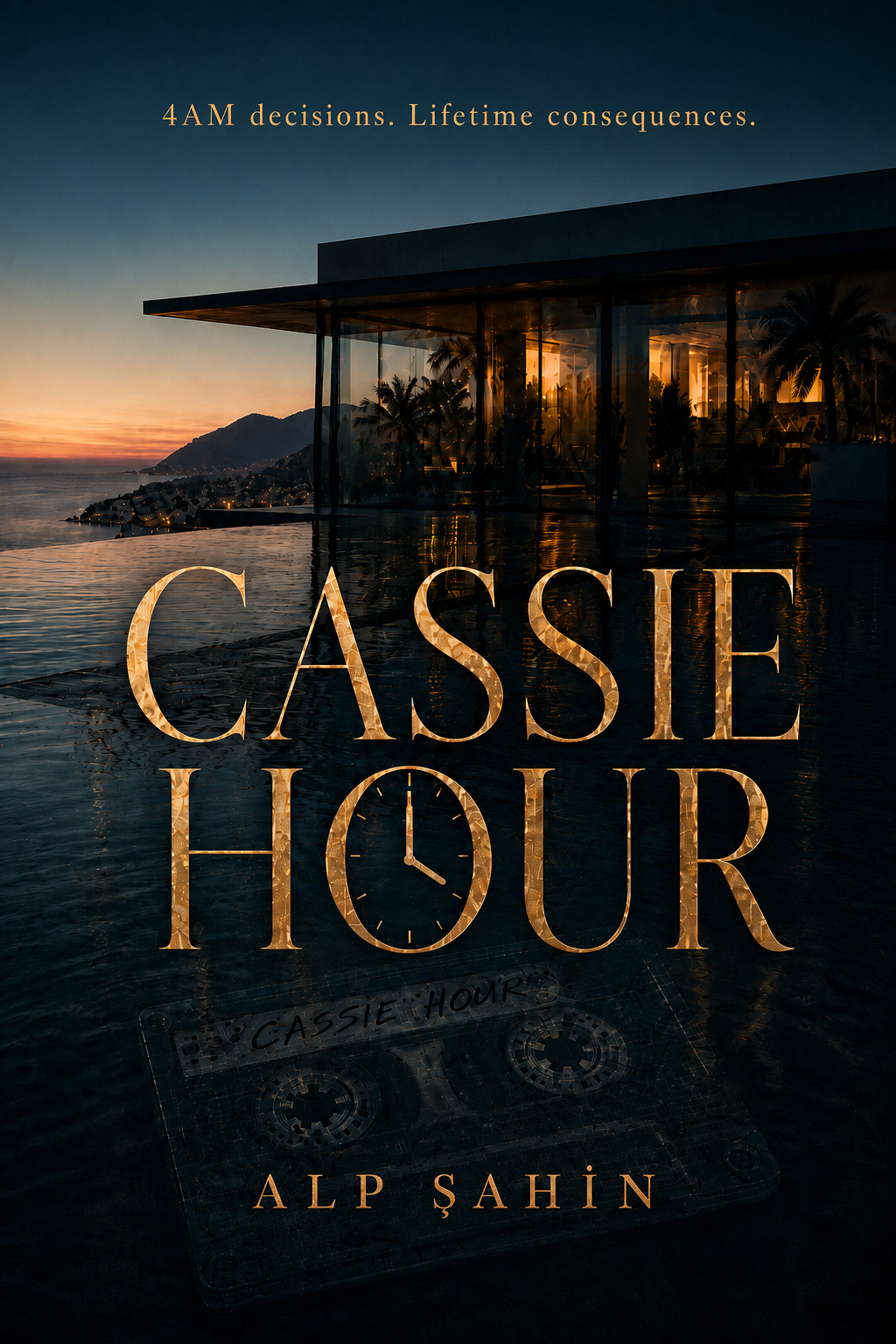

AI actor rights describe the emerging fight over synthetic performers, authorized digital replicas, voice clones, AI likeness rights, and the contracts that decide who can use a performer's image when the performer is not actually present.
The first wave will sound legal. The second wave will feel emotional. Audiences will ask whether an AI actress can become famous. Actors will ask whether their faces can keep working with approval controls. Producers will ask whether a story world can arrive with its own images, music, and character mythology already attached.
Why book-to-screen matters now
When synthetic performers make faces cheaper, stories become more valuable. Hollywood still needs desire, secrets, moral pressure, rooms, songs, roles, and worlds that make viewers care who owns the image. Books are one of the few places where that pressure can arrive already formed.
Why Cassie Hour belongs here
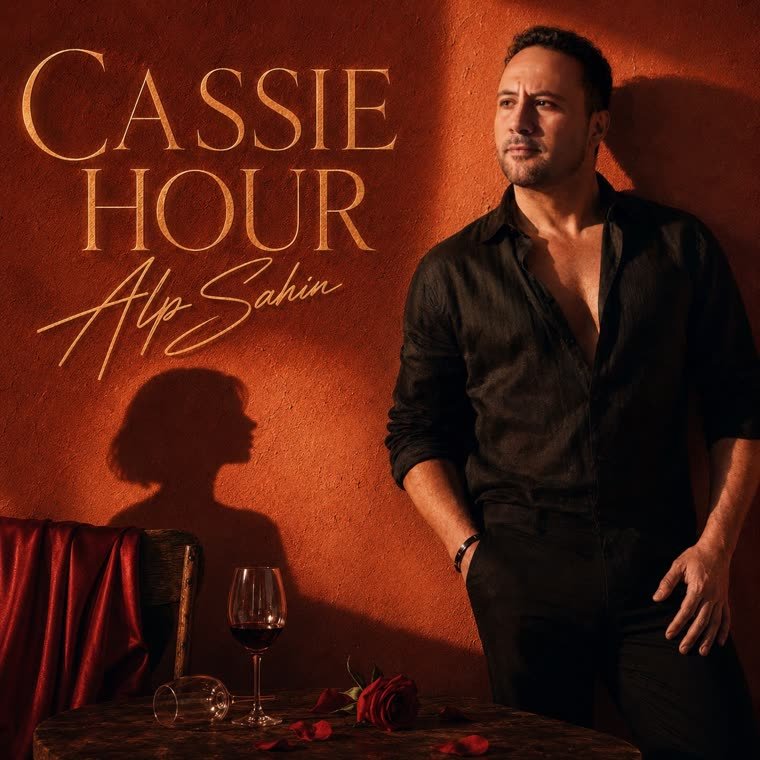
Cassie Hour is not about replacing actors. It is about what happens when a woman becomes myth, evidence, fantasy, leverage, and memory. The replica era gives the novel a new public frame: before a face can be copied, someone has to decide what the face means.
What Hollywood Replica tracks
This page follows the 2026 and 2027 collision between AI actor rights, digital replica rights, synthetic performers, licensed likeness, AI digital twins, and book-to-screen adaptations that can answer the culture back.